
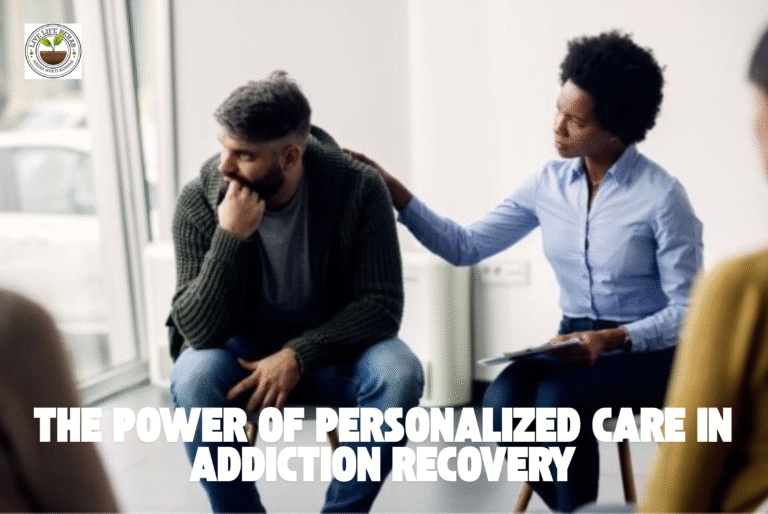
Generic treatment programmes fail because addiction is not a generic problem. Your history with substances differs from the next person. Your mental health is unique. Your family situation varies. Your triggers are specific to your life. Forcing everyone through identical steps ignores these critical differences and produces poor outcomes.
Personalised treatment begins with thorough assessment during intake. Medical history. Substance use patterns. Mental health screening. Family dynamics. Employment status. Previous treatment attempts. This information shapes an individual treatment plan rather than slotting you into a predetermined programme designed for an imaginary average patient who does not actually exist.
Medical needs vary enormously between patients. Someone withdrawing from years of heavy alcohol use requires different intervention than someone dependent on prescription opioids. Benzodiazepine withdrawal demands a specific tapering protocol. Stimulant withdrawal needs different support altogether. Detoxification protocols must match the substances involved, the duration of use, and individual health complications. A rehabilitation center in delhi worth attending will customise medical detox based on thorough assessment rather than applying a standard protocol to everyone regardless of their specific situation.
Psychiatric care requires individualisation because co-occurring mental health conditions vary widely. Depression manifests differently in different people. Anxiety disorders range from generalised anxiety to specific phobias to panic disorder. PTSD symptoms and triggers are intensely personal. Medication choices must account for these differences, potential drug interactions, and individual response patterns. What works for one person may be ineffective or harmful for another.
Therapy approaches should match individual needs and preferences. Some people respond well to Cognitive Behavioural Therapy’s structured approach. Others benefit more from trauma-focused methods that address painful experiences fuelling substance use. Still others need Dialectical Behaviour Therapy’s emphasis on emotional regulation skills. Group therapy helps certain individuals while overwhelming others who need more individual attention initially. Effective programmes offer variety and adjust based on what actually works for each patient.
Cultural factors shape recovery experiences in ways generic programmes often ignore. Family structure expectations. Religious beliefs. Language preferences. Socioeconomic realities. These elements profoundly affect how someone experiences treatment and what support looks like after discharge. Staff culturally competent in Indian contexts understand joint family dynamics, respect for elders, and collective decision-making patterns that differ from Western individualism many treatment models assume.
Gender-specific issues require attention in personalised care. Women often carry trauma histories including sexual assault or domestic violence that need safe spaces to address. Men face different social pressures around emotional expression and admitting vulnerability. Mixed-gender programmes can work, but some individuals need gender-specific treatment to feel safe enough for honest therapeutic work.
Age differences matter significantly. A 22-year-old dealing with addiction faces different challenges than a 50-year-old. Career stages differ. Relationship complexities vary. Physical health baselines are not comparable. Treatment tone, activities, and goals should reflect these age-related differences rather than treating a recent college graduate the same as someone facing retirement.
Previous treatment history informs personalised planning. What was tried before? What worked partially? What failed completely? Understanding past attempts helps avoid repeating ineffective approaches and builds on whatever limited success occurred previously. Someone entering treatment for the third time needs different interventions than someone seeking help for the first time.
Family involvement requires customisation based on relationship health. Some families provide strong support. Others are toxic and sabotage recovery. Still others mean well but lack understanding of helpful versus enabling behaviours. Treatment plans must account for these realities—more family therapy for supportive families, boundary-setting work for problematic ones, and alternative support systems for those with no family involvement.
Aftercare planning personalisation determines long-term success. Someone returning to a high-stress corporate job needs different support than someone unemployed and starting over. Urban versus rural living environments require different resource connections. Family support levels affect what independent living arrangements make sense. For those exploring options, a rehabilitation center in noida offering personalised aftercare planning will arrange specific continuing support based on individual circumstances rather than providing a generic list of support group meeting times.
Duration flexibility acknowledges that recovery timelines vary. Some people stabilise relatively quickly with 60 days of intensive treatment. Others need six months or longer. Rigid programme lengths ignore these differences. Better facilities adjust duration based on individual progress rather than calendar dates.
Results come from matching treatment to actual needs. Generic programmes are easier to administer but they ignore the reality that effective addiction treatment must address the specific person, not an imaginary average case. Personalisation costs more and requires more skilled staff, but it produces outcomes that justify the investment.
Contact
Jagruti Rehabilitation Centre in Noida
जागृति रिहैबिलिटेशन सेंटर इन नोएडा
B-17, B Block, Sector 30, Noida, Uttar Pradesh 201303
09822207761
Get Directions